
Wir sind Träger des Hanna Arendt Instituts Schweiz und beteiligen uns an seiner aktuellen Entwicklung.
Entwicklung des Standortes ab 2026

With Queer Modernism. 1900 to 1950, the Kunstsammlung Nordrhein-Westfalen presents the first comprehensive exhibition in Europe dedicated to the pioneering contributions of queer artists to modernism. Featuring more than 130 works by thirty-four international artists—including paintings, drawings, photographs, sculptures, films, publications, and archival materials—the exhibition project focuses on the first half of the twentieth century. It tells an alternative history of modernism, one in which queer artists placed themes such as desire, gender, sexuality, and the politics of self-representation at the center of their work. It also traces stories of queer life in times of war and resistance.
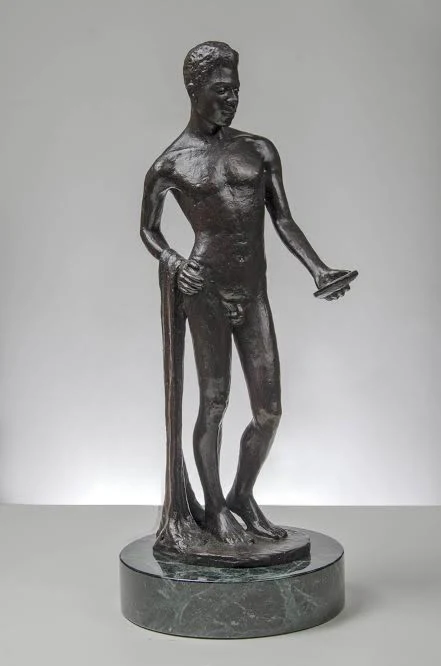
Richmond Barthé (1901–1989), Black Narcissus, 1929 | Courtesy of the Michael Rosenfeld Gallery, New York
„K20 presents the first comprehensive exhibition in Europe dedicated to the significant contributions of queer artists to modernism.“ e-flux
„Featuring more than 130 works by 34 artists … the show focuses on themes such as desire, gender and sexuality, but also discrimination and oppression.“ apnews.com
“Die Kunstsammlung Nordrhein-Westfalen zeigt mit Queere Moderne. 1900 bis 1950 die erste umfassende Ausstellung in Europa, die den bedeutenden Beitrag queerer Künstler*innen zur Moderne vorstellt.” kunstbullentin.ch
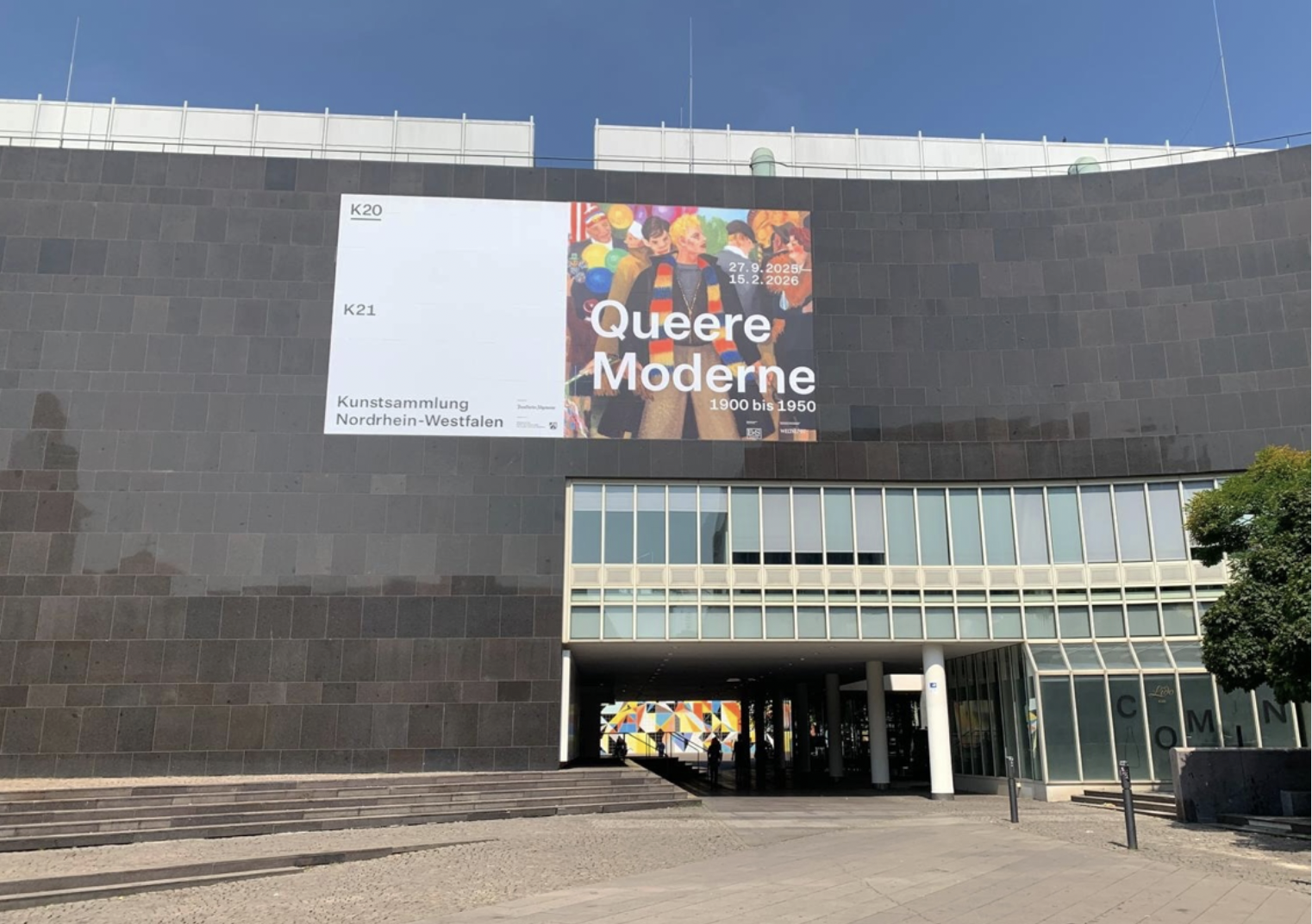
Queere Moderne 1900 to 1950
September 27, 2025 – February 15, 2026
Idea and Concept: Anke Kempkes, Art Historian and Author Curators: Isabelle Malz, Curator at the Kunstsammlung Nordrhein-Westfalen, with Isabelle Tondre, Research Assistant at the Kunstsammlung Nordrhein-Westfalen, and Anke Kempkes, Guest Curator Publication: The exhibition is accompanied by a bilingual catalogue edited by Susanne Gaensheimer, Isabelle Malz, and Anke Kempkes, with essays by Jonathan D. Katz, Anke Kempkes, Tirza True Latimer, Isabelle Malz, Isabelle Tondre, and Diana Souhami.
The exhibition is sponsored by the Ernst von Siemens Art Foundation Media partner for the exhibition: Weltkunst, Frankfurter Allgemeine Zeitung | Sponsored by the Ministry of Culture and Science of the State of North Rhine-Westphalia
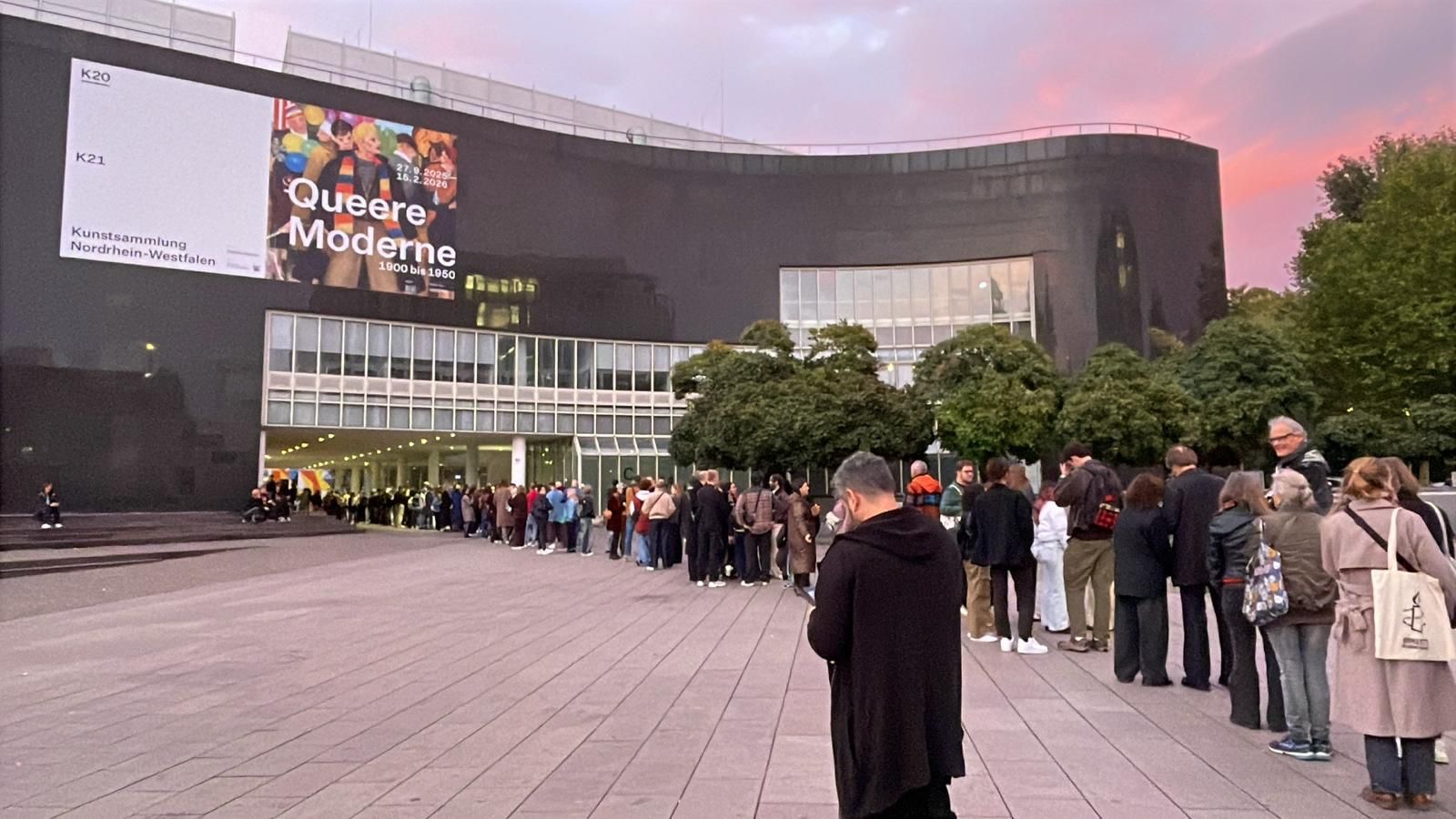
„With Queer Modernism. 1900 to 1950 … the Kunstsammlung Nordrhein-Westfalen presents the first comprehensive exhibition in Europe dedicated to the significant contributions of queer artists to modernism. … It tells an alternative history of modernism, one in which queer artists placed themes such as desire, gender, sexuality, and the politics of self-representation at the center of their work.“ kunstsammlung.de
“(…) This expansive group show, which gathers works by the likes of Paul Cadmus, Hannah Höch, Marie Laurencin, and Pavel Tchelitchew, continues this necessary labor of revising—and zhooshing up—the past.” artforum.com
„Perhaps the most groundbreaking of these can be seen at K20 in Düsseldorf … The group exhibition “Queer Modernism. 1900 to 1950” shows that art history has never been straightforward. The show aims to present the by no means insignificant contribution of queer artists to the avant-garde.“ artcologne.de
Queer Modernism. 1900 to 1950 is organized into eight thematic chapters and explores an international network of queer artists that began to emerge in the early twentieth century in various cities across Europe, the United States, and beyond, through global exchange. The exhibition opens with a Prologue representing early modernism and centers on the prominent “double portrait” of the painter Rosa Bonheur (1822–1899) with a bull. Bonheur gained international renown for her pioneeringly realistic and psychologically nuanced depictions of animals. To gain better access to her outdoor work environments, she obtained official authorization from the French government to wear men’s clothing— a Permission de travestissement. As early as the second half of the nineteenth century, artists like Bonheur defied traditional gender roles and lived in same-sex partnerships.
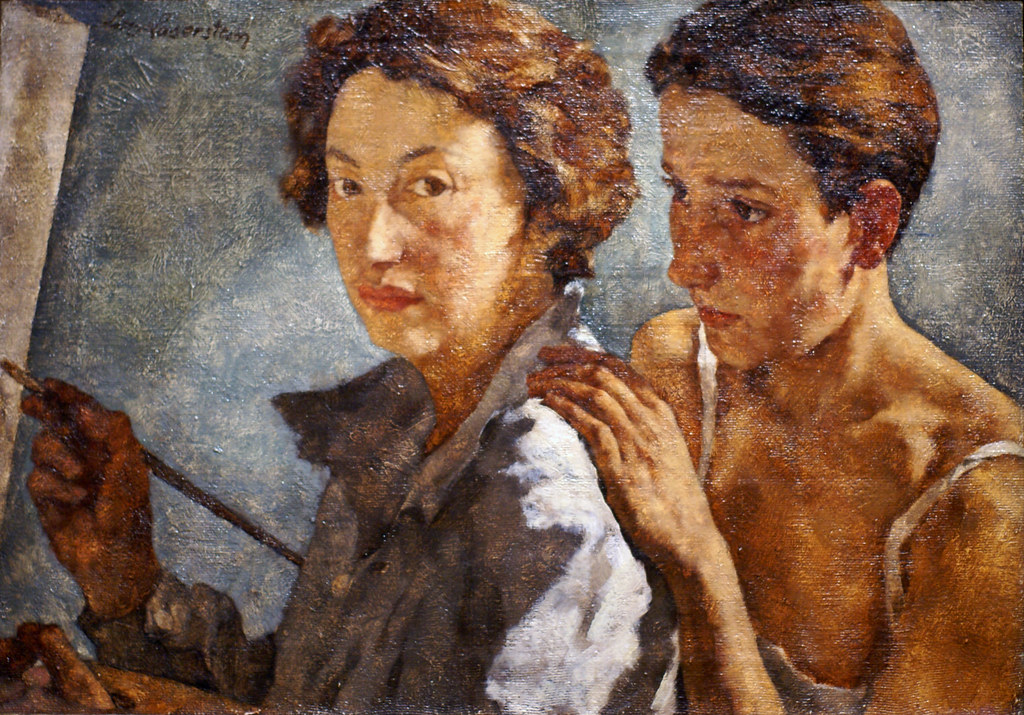
Lotte Laserstein, Ich und mein Modell (My Model and I), 1929/1930. Courtesy of Agnews, London
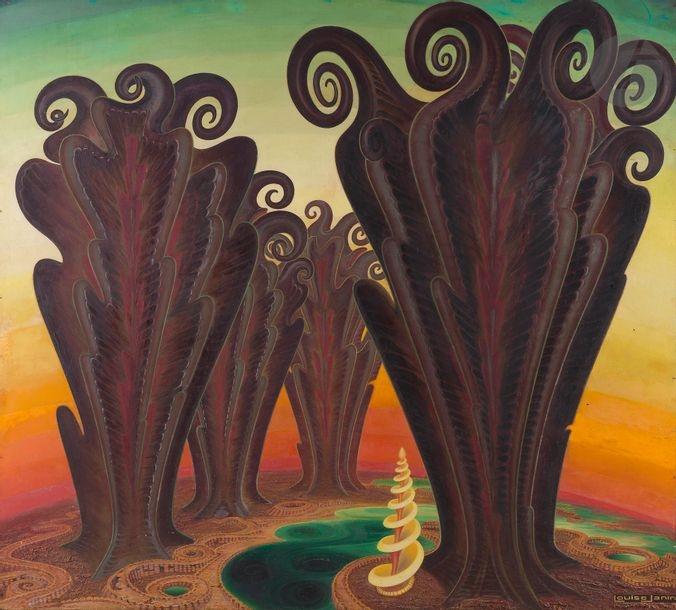
Louise Janin (1892–1997), Les Plantes dressées, 1934. Collection Lucile Audouy, Paris
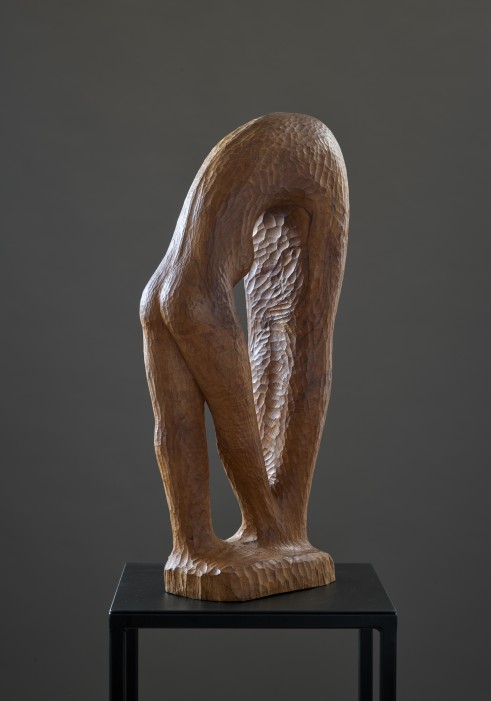
Anton Prinner (1902–1983), Double personnage, 1937. Collection Kálmán Makláry, Budapest
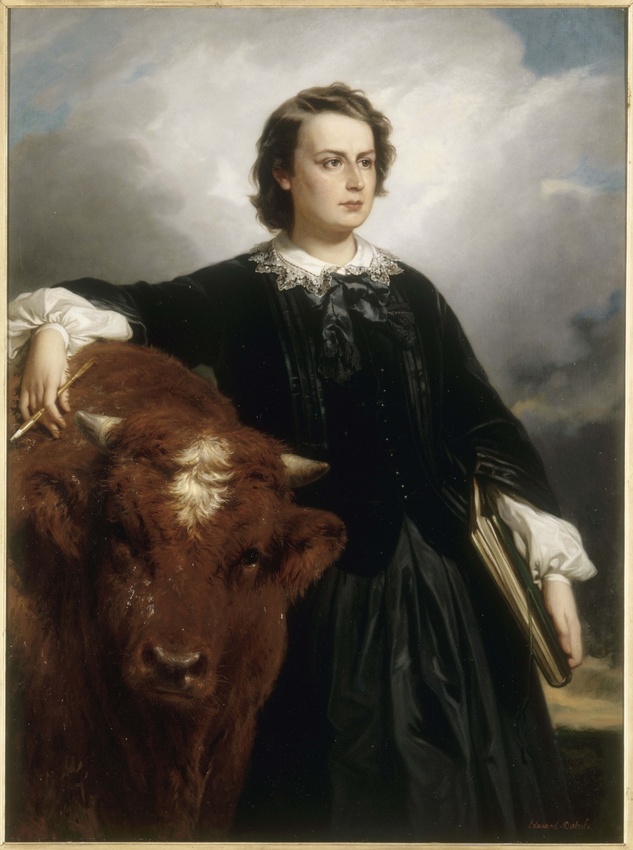
Édouard Dubufe, Portrait du peintre Rosa Bonheur aux côtés d’un bovidé, 1857 | Musée d’Orsay, Paris, en dépôt au musée national du château de Versailles; Legs Gambard, 1902, Musée national des châteaux de Versailles et de Trianon
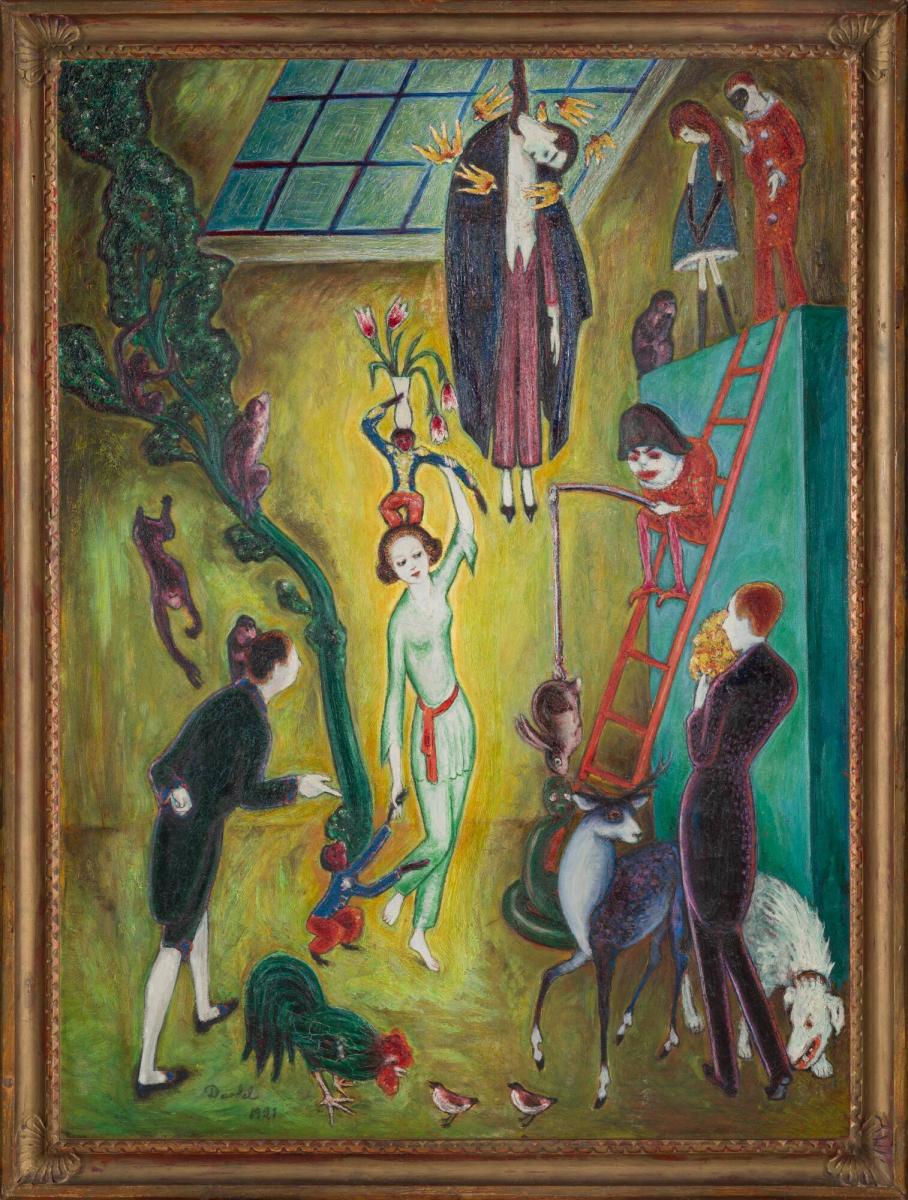
Nils Dardel, Visit hos excentrisk dam (Visit to an Eccentric Lady), 1921 | Donation of the Friends of the Moderna Museet in 1953, Moderna Museet, Stockholm
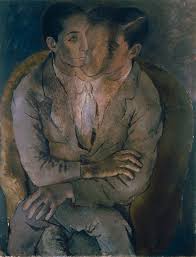
Pavel Tchelitchew (1898–1957), Untitled (Seated Man, Multiple Images), 1927. Courtesy of the Michael Rosenfeld Gallery, New York
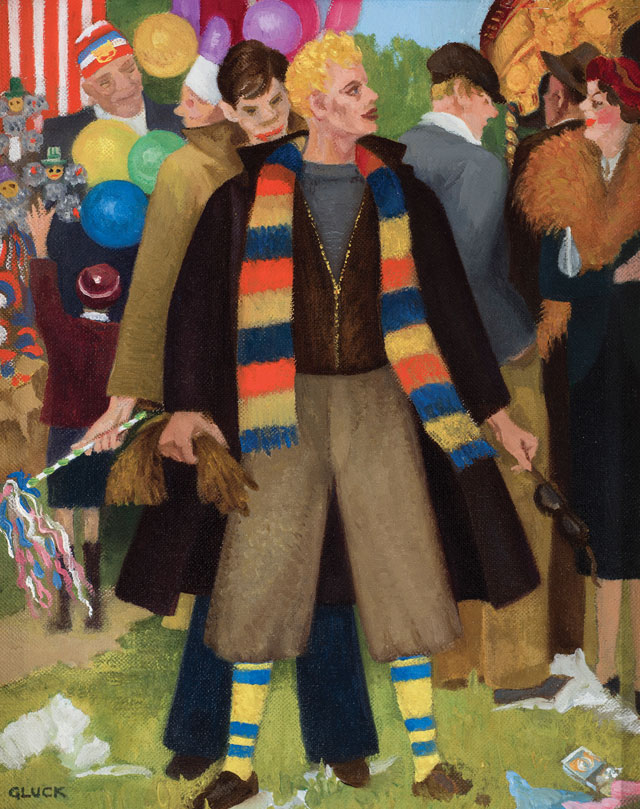
Gluck, Bank Holiday Monday, c. 1937. Private Collection. Courtesy of The Fine Art Society, London
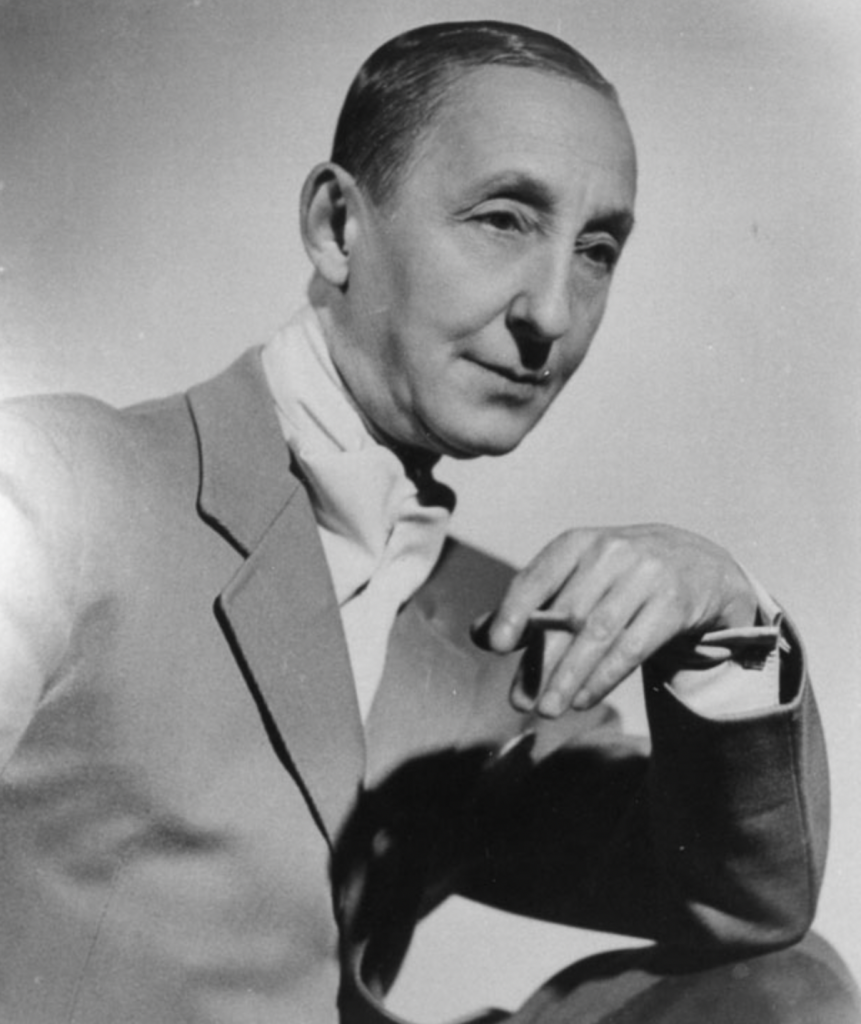
Marlow Moss (with cravat and cigarette), c. 1950s. Photograph by Stephen Storm
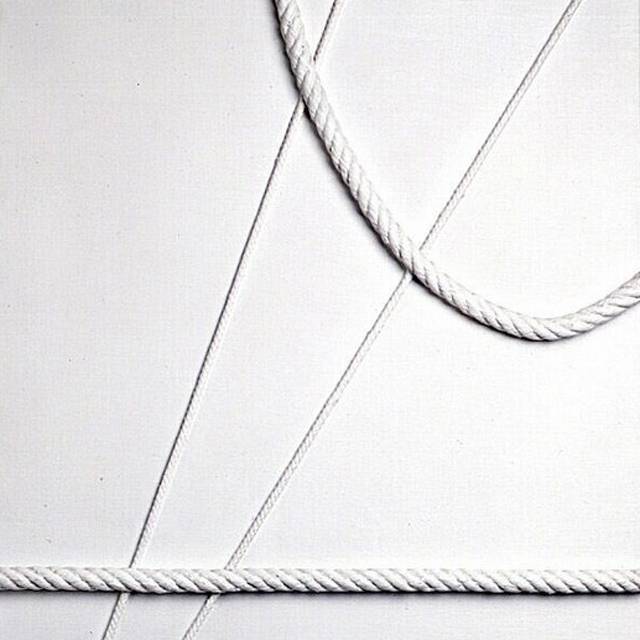
Marlow Moss (1889–1958), White with Bent Cord (Relief), 1936 Gift from Ida and Piet Sanders, Schiedam, Kröller-Müller Museum, Otterlo, Netherlands
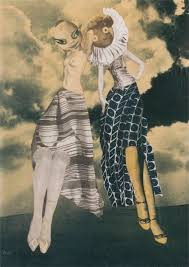
Hannah Höch (1889–1978), Auf dem Weg zum Siebenden Himmel (On the Way to Seventh Heaven), 1934 | Collection Barry Friedman, New York
Aus unserer Zusammenarbeit mit dem Berry-Museum St. Moritz 2025/2026
Aurora, die Morgenröte, auf einer Pass-Straße im Engadin, ihr Wagen gezogen von wilden Pferden…
Die begonnene Zusammenarbeit mit Alexander Kluge an der Fundaziun Nairs, setzt Cornelia Schwab in ihrer Funktion als Direktorin des Berry Museums fort. Anlass ist das 20-jährige Jubiläum des Berry Museums. Dank der Unterstützung und Förderung von Dr. Berry IV, dem Gründer des Berry Museums, entwickelten Alexander Kluge und Cornelia Schwab eine Ausstellung, die das Werk von Berry II kontextualisiert, kommentiert und neu bewertet.
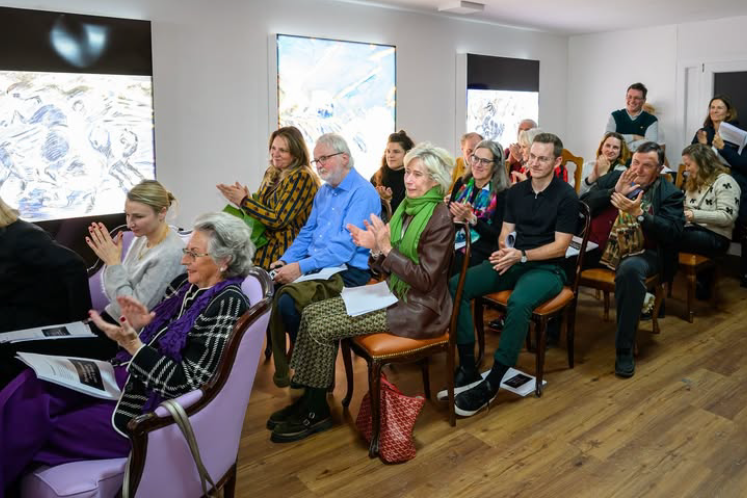
Die Ausstellung eröffnete im Dezember 2024/25 im Untergeschoss des Neubaus des Berry Museums.
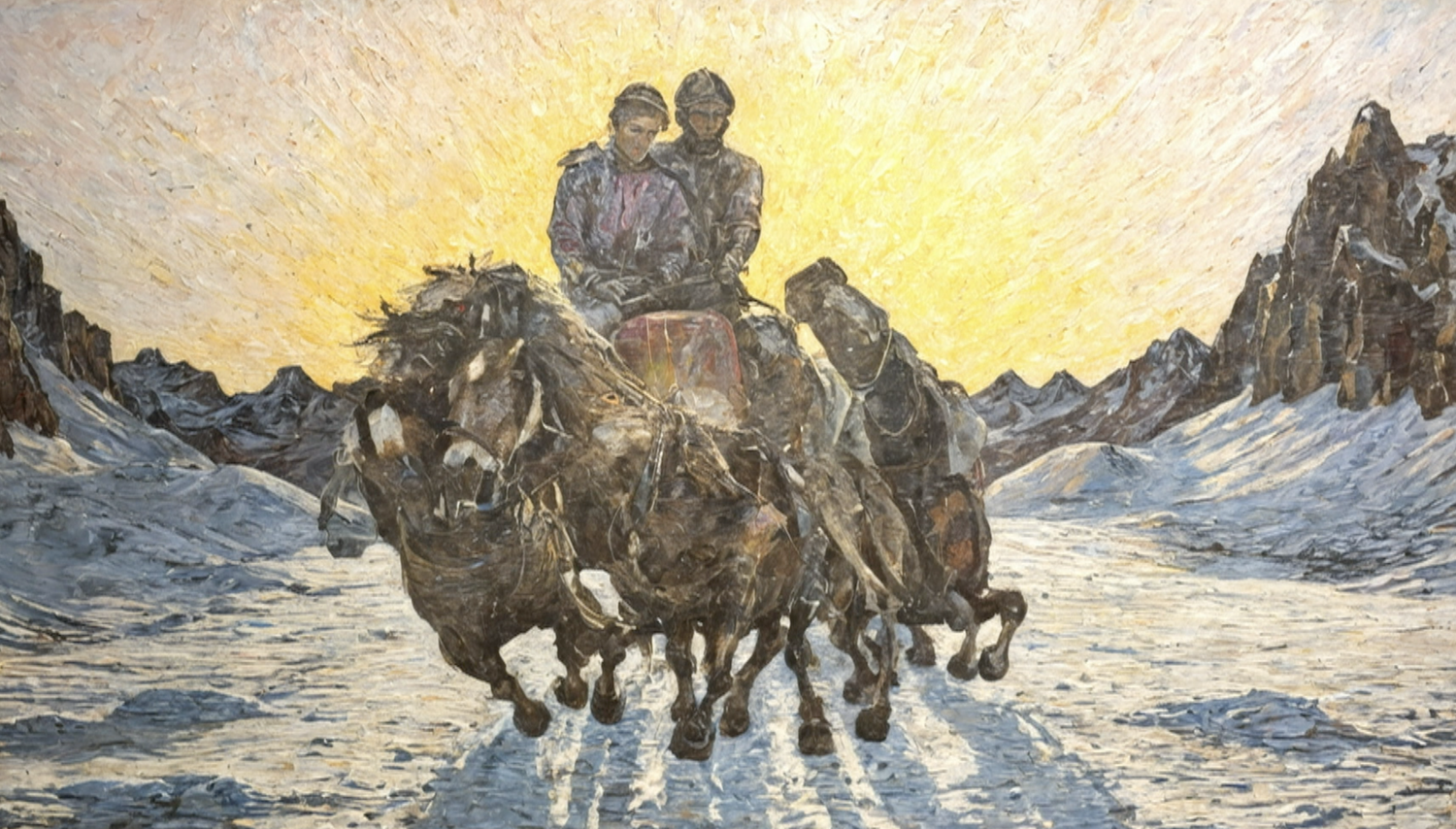
Dabei geht es um Themen wie «Longue Durée», «Gewalt und Krieg» und «die Eleganz der Tiere bei Überwindung der Schwerkraft» sowie um das Engadin.
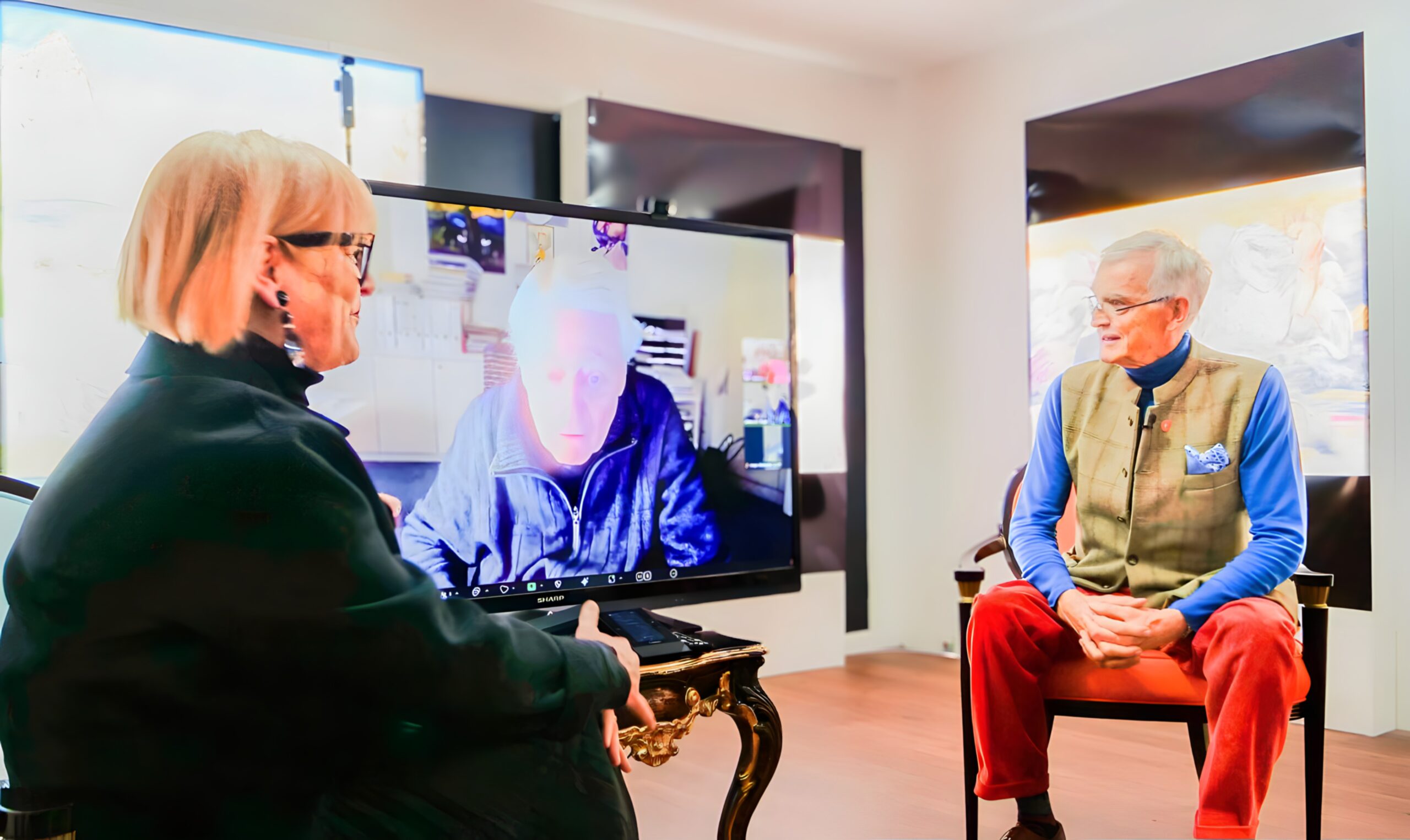
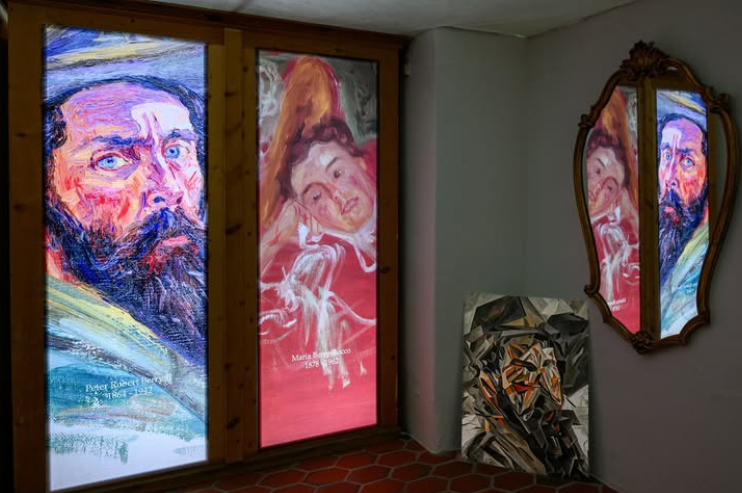
Zu Ehren des Vaters des Malers, des Regimentsarztes und Mitgründers des Badeortes Sankt Moritz P. R. Berry I, der im Ersten Krimkrieg (1853-1856) diente, sind auch Bildsequenzen zu diesem Krieg zu sehen. Die Ausstellung zeigt Bilder auf Aluminium und Holz, Monitore und eine Installation als Mehrfachprojektion mit dem Titel: «Die Utopie wird immer besser, während wir auf sie warten».

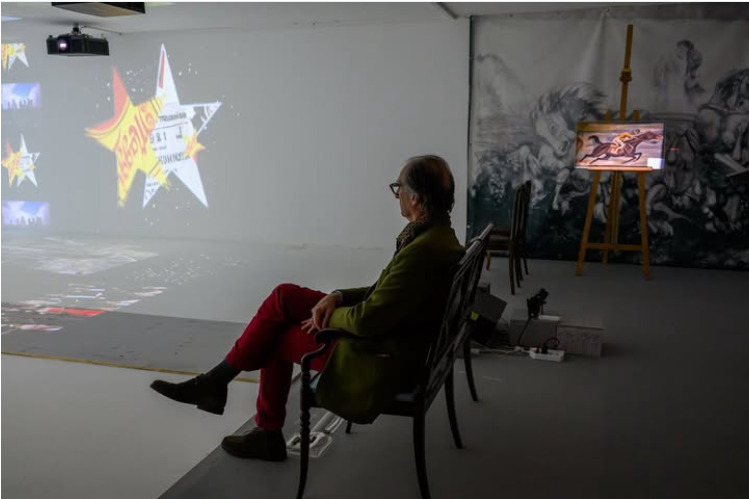
Die Ausstellung lädt dazu ein, Geschichte aus neuen, herausfordernden Blickwinkeln zu erleben – visuell eindrucksvoll, intellektuell tiefgreifend und zeitlos relevant.
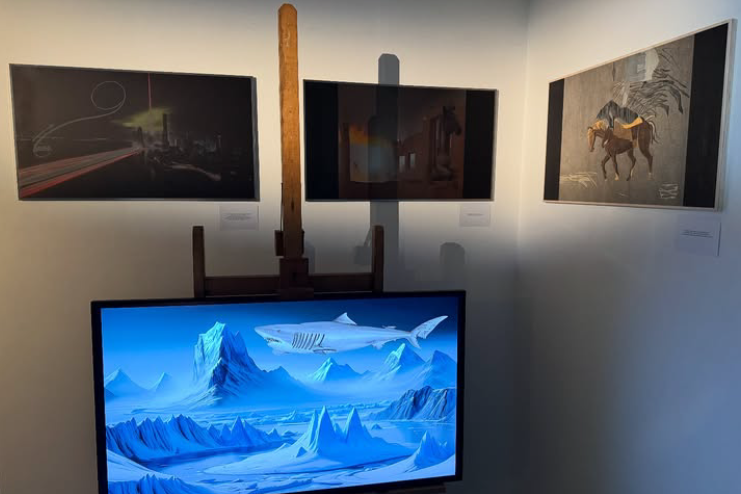
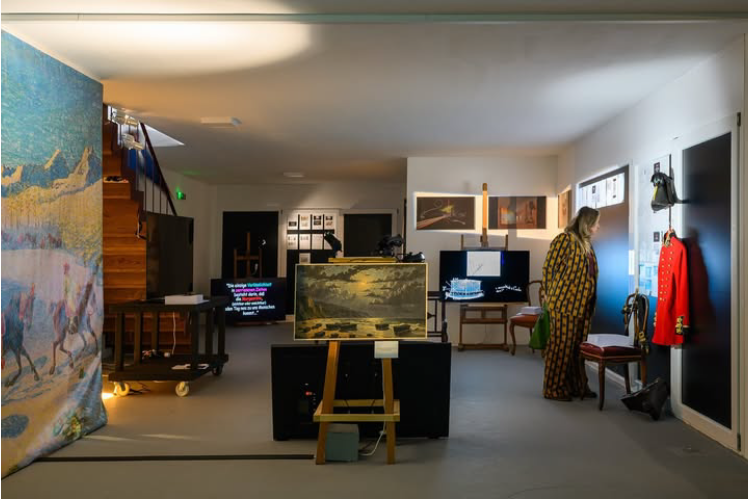
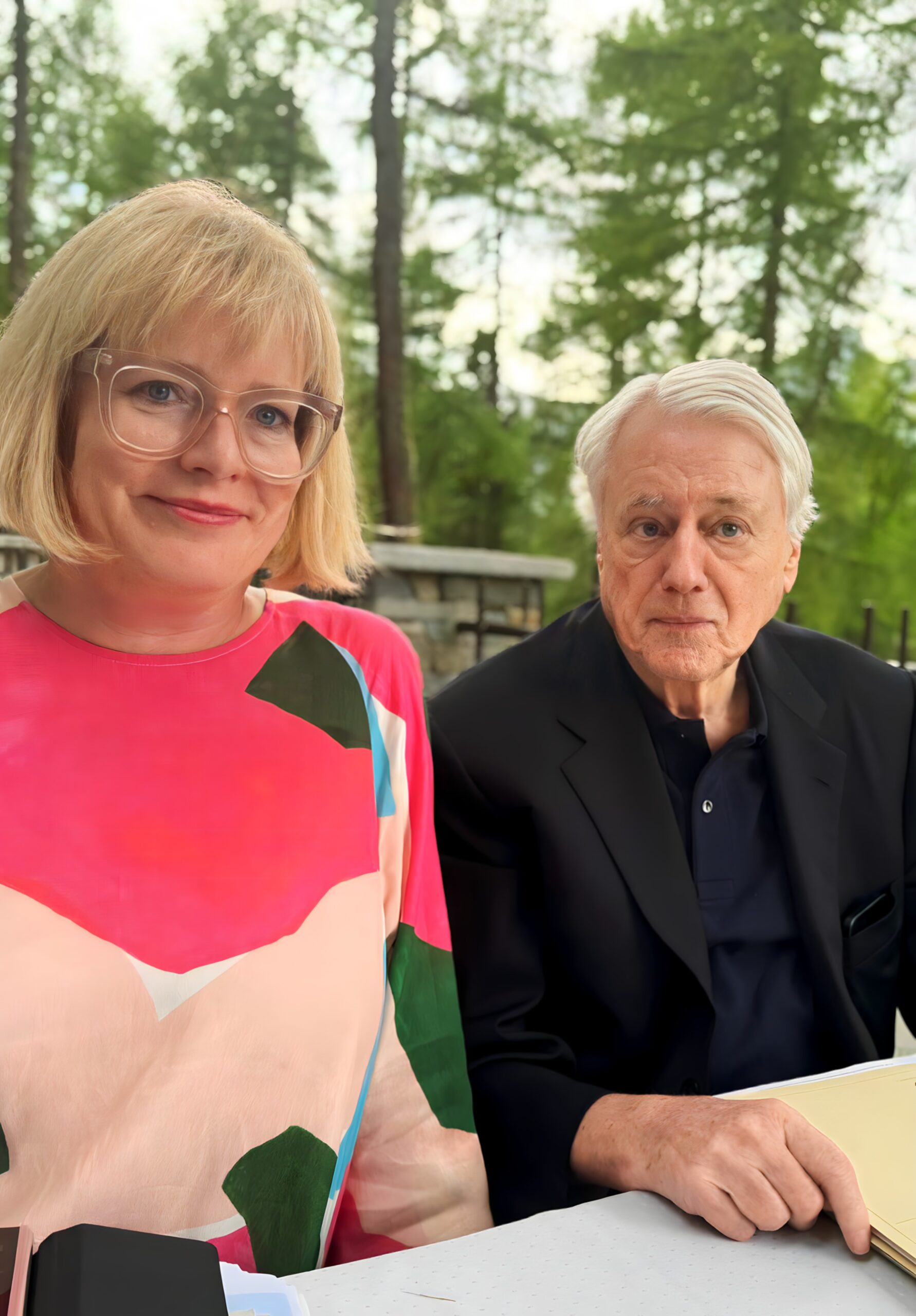
Auf Einladung von Cornelia Schwab (ehemalige Co-Direktorin der Fundaziun Nairs) war Alexander Kluge mit seinen Arbeiten bereits im Rahmen des “Aby Warburg”-Kolloquiums 2022 an der Fundaziun Nairs zu Gast. Die dort erstmalig gezeigten Arbeiten von Kluge wurden von Aby Warburgs Bilderatlas Mnemosyne und dessen Kriegskartothek inspiriert.
Im August 2024 trafen sich der Gründer des Berry Museums, Dr. med. P. R. Berry IV, und der Filmemacher und Autor Alexander Kluge auf Initiative der Kuratorin Cornelia Schwab in Sils Maria zu einem Gespräch. Die Begegnung legt den Grundstein für die Ausstellung «Kluge-Berry-Werkstatt». Sie präsentiert unbekannte Werke des Malers sowie neue Werke von Alexander Kluge, die dessen Bilder kommentieren.
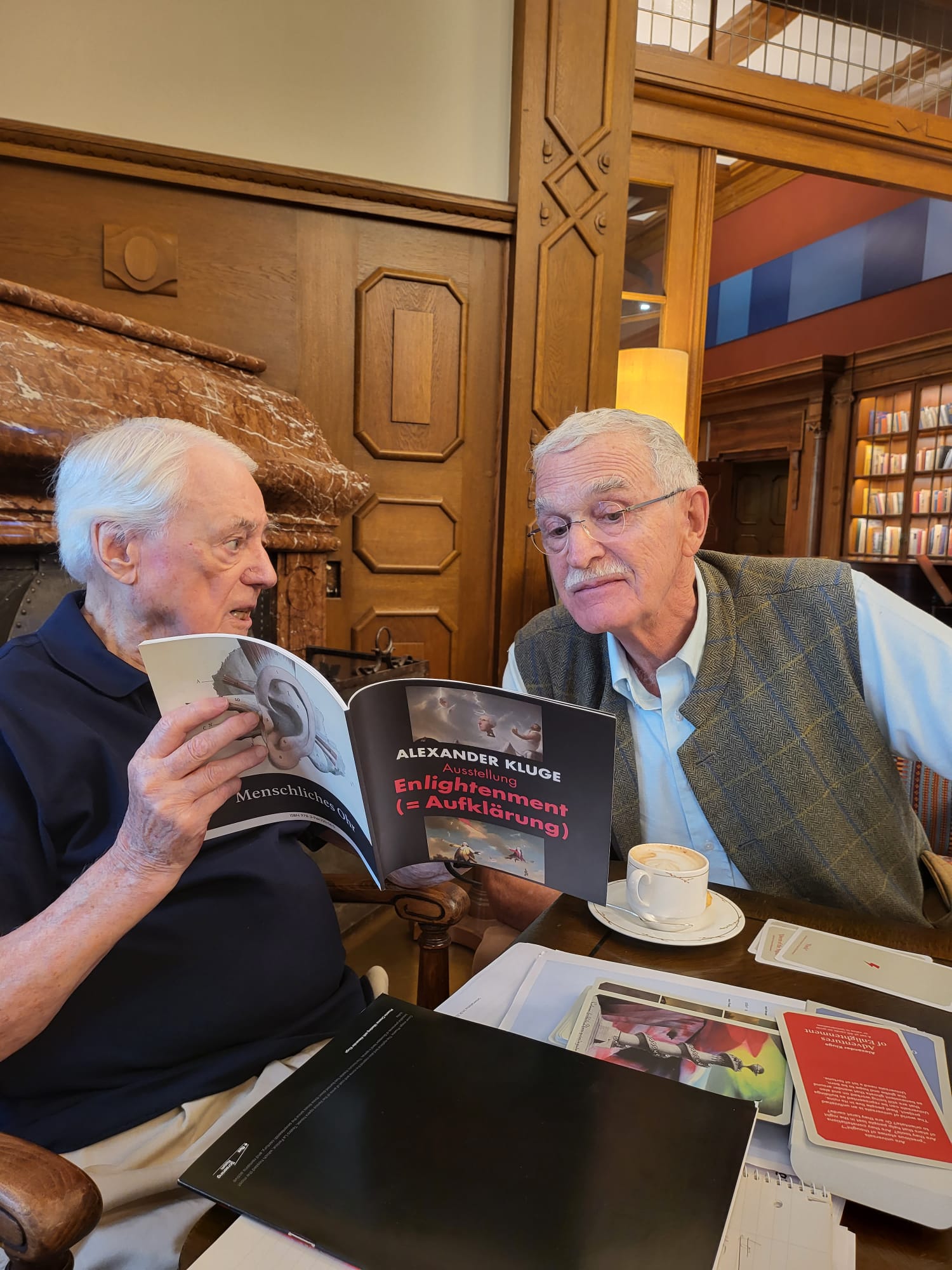
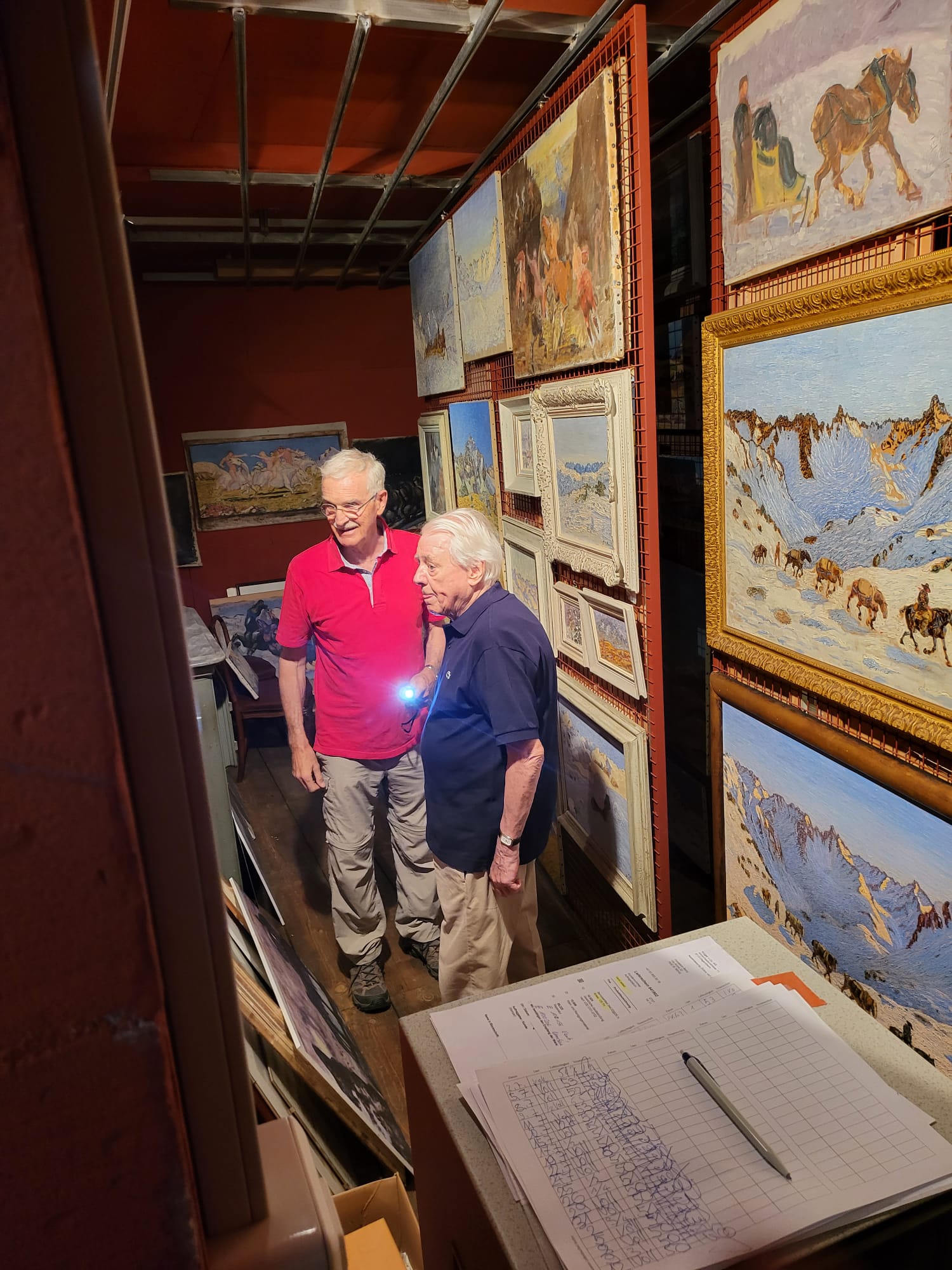
Alexander Kluge, eine der Geistesgrößen unserer Zeit, interpretiert das Werk und Leben von Peter Robert Berry II auf visionäre Weise. Zu sehen sind bisher unbekannte Werke des Malers sowie Werke von Alexander Kluge, die diese kommentieren.